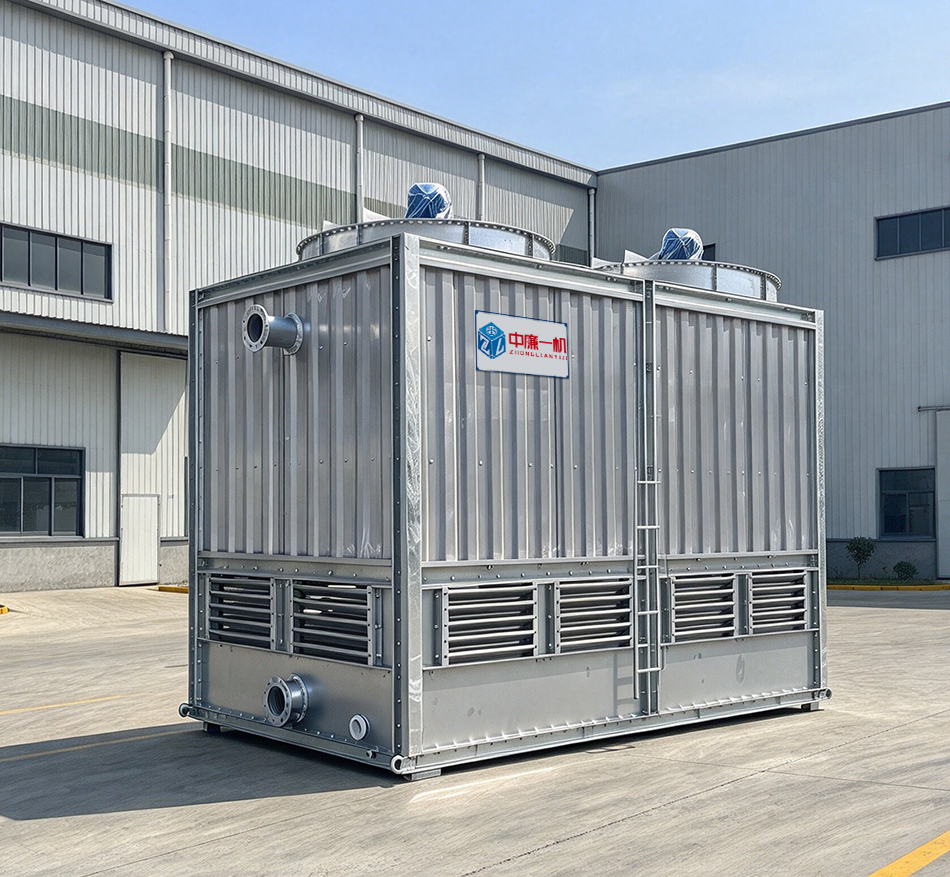
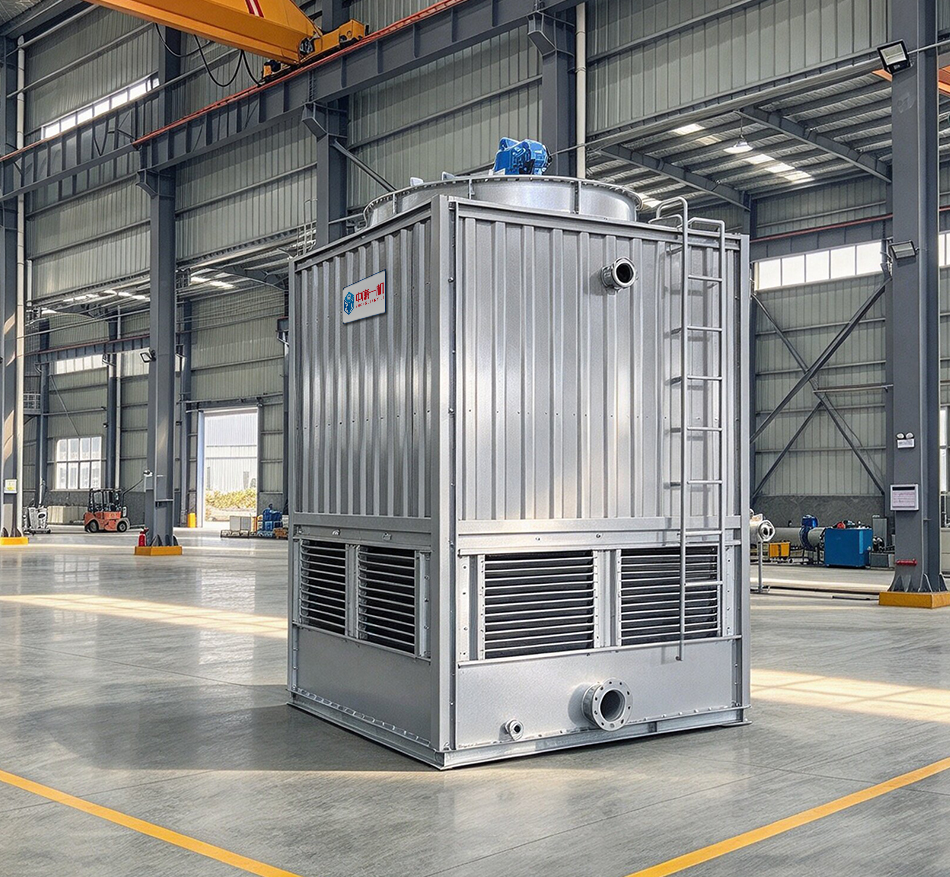
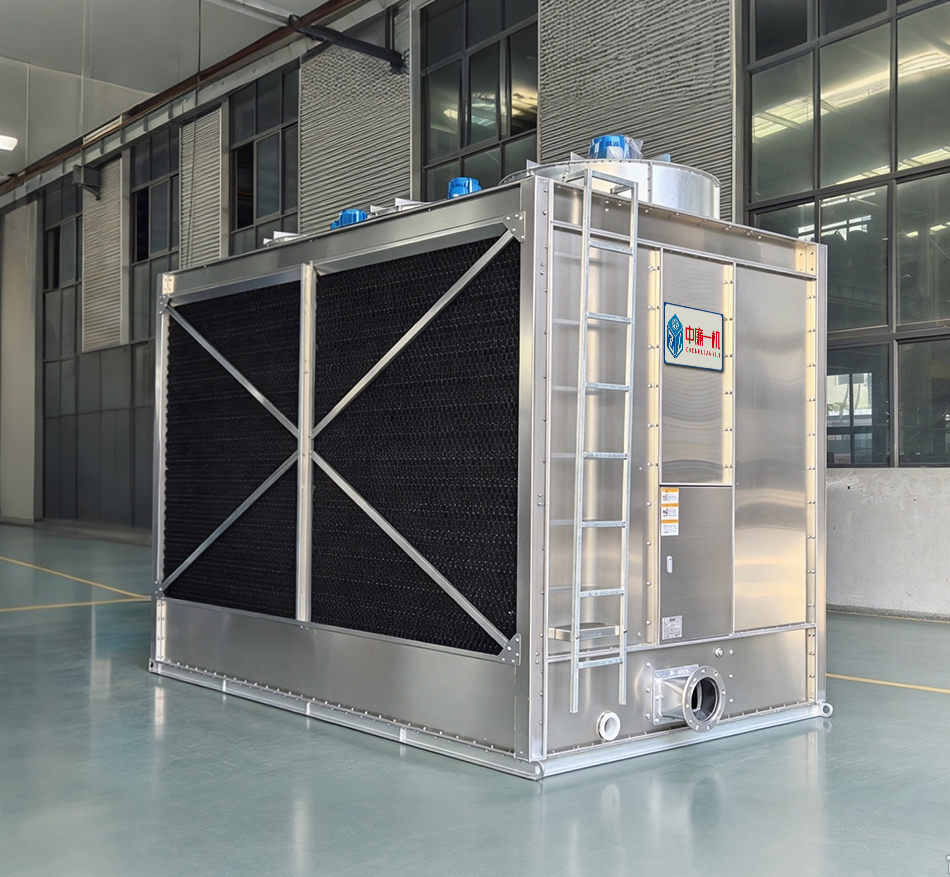
冷却塔是挤出机冷却系统的核心配套设备,主要为挤出机的循环冷却水系统提供高效散热支持,确保挤出过程在工艺要求的Temperature范围内稳定运行。
一、核心作用
1. 带走多余热量,防止物料过热分解
挤出过程中,螺杆旋转产生的摩擦剪切热往往超过物料塑化所需热量,导致机筒内Temperature过高。冷却塔通过水循环将这些多余热量持续带走,避免热敏性塑料(如PVC)发生分解、焦烧,保证成型工艺正常进行。
2. 精准控温,保障产品质量
- 稳定的冷却水温能确保挤出机各段Temperature控制精度,使物料塑化均匀
- 避免Temperature波动导致的产品Dimensions不稳定、表面缺陷、内应力过大等问题
- 对于片材、管材、薄膜等挤出制品,冷却定型效果直接影响最终产品的平整度、透明度和力学性能
3. 保护设备,延长使用寿命
- 防止高温导致的密封件老化、润滑油失效
- 避免螺杆、机筒等关键部件因过热而加速磨损
- 减少因Temperature异常引发的停机故障,保障连续生产
4. 节能节水,降低运营成本
冷却塔配合封闭循环水系统,实现冷却水循环利用,循环利用率可达95%以上,大幅减少新鲜水消耗。现代冷却塔还普遍采用变频Fan、智能温控等节能设计,综合节能效果显著。
二、工作原理
冷却塔的基本原理是水-气热交换:
- 从挤出机各冷却段吸热后的热水被泵入冷却塔Top
- 热水通过布水系统均匀洒在填料表面,形成大面积水膜
- Fan驱动空气逆向流过填料层,与热水充分接触
- 部分水蒸发吸热,同时通过对流换热将热量传递给空气
- 冷却后的水落入塔底集水槽,再被泵送回挤出机循环使用
三、挤出机主要冷却部位及作用
表格
| 冷却部位 | 具体作用 |
|---|
| 机筒(料筒)冷却 | 防止螺杆摩擦剪切热过高导致物料分解;与加热系统配合,实现多段精准温控 |
| 螺杆冷却 | 通过中心水冷调整摩擦特性,提高固体输送率和挤出量,稳定出胶质量 |
| 料斗座冷却 | 防止加料段Temperature过高导致物料"架桥"(黏结堵塞下料口);隔绝热量保护止推轴承和减速箱润滑系统 |
| 模具/机头冷却 | 控制熔体出口Temperature,保证制品定型质量 |
| 液压系统冷却(部分机型) | 降低液压油Temperature,防止过热导致的设备故障 |
四、水冷 vs 风冷对比
挤出机冷却方式主要有水冷和风冷两种,冷却塔主要服务于水冷系统:
- 水冷:冷却效率高、速度快,适合大型挤出机和高温工况;但Temperature冲击较大,管路易结垢
- 风冷:冷却柔和、环境干净,适合中小型挤出机;但效率较低,受环境Temperature影响大
现代挤出生产线中,水冷+冷却塔是主流配置,尤其在塑料管材、型材、造粒、片材等大规模生产中应用最为广泛。
五、冷却塔选型要点
- 冷却能力匹配:根据挤出机规格、工艺Temperature和产热量计算所需冷却塔Flow Rate和温降
- 温控精度:精密挤出工艺建议选用Closed-Circuit Cooling Tower或带智能温控的Model,温控误差可控制在±1℃以内
- 水质要求:挤出机冷却系统建议使用软化水,配合Closed-Circuit Cooling Tower可减少管路结垢和腐蚀
- 节能环保:优先选择变频Fan、高效填料设计的冷却塔,降低运行能耗
- 维护便捷性:考虑填料清洗、布水系统疏通等日常维护的便利性
Written by: Zhongliang Yiji Technical Department · 15 Years of Cooling Tower Selection Experience | Last Updated:2026-10-17
FAQ
How to choose between a closed-circuit and an open cooling tower?
For working conditions that demand clean water (such as vacuum furnaces, high-frequency furnaces, and injection machine hydraulic oil cooling), a closed-circuit tower is preferred: the cooled medium circulates inside the coil without direct contact with air, so it resists scaling, algae and particle contamination, with stable heat transfer and low maintenance. For ordinary recirculating water scenarios with tight water budgets or cost sensitivity, an open tower costs less upfront but requires supporting water treatment.
What are the footprint and connections of a 100 t closed-circuit cooling tower?
Taking a standard 100 m3/h closed-circuit tower as an example: overall dimensions are approximately 3500 x 1500 x 2800 mm with a footprint of about 5.25 m2; inlet and outlet piping is typically DN100, with a 5-10 C temperature drop under standard conditions. Refer to the product specification table for details; non-standard dimensions can be customised on site.
How do I size the pump and head for a cooling tower?
Pump flow is selected according to the rated circulating water volume of the cooling tower; head must account for pipeline friction losses, local resistance, equipment elevation difference and the necessary margin. Pressure-bearing equipment such as injection machines also requires reserve for the working pressure. It is recommended to hand the operating data (flow, temperature difference, installation height, pipe diameter and length) to technical staff for calculation, to avoid an undersized pump or excessive head that wastes energy.
What water treatment does a closed-circuit cooling tower need?
The outer circulating water of a closed-circuit tower still contacts air, so softened make-up water, periodic corrosion and scale inhibitor dosing, and control of the concentration ratio are recommended. The inner circulating medium should be softened water, antifreeze or pure water according to process requirements; outdoor installation in winter requires freeze protection (electric tracing or draining).