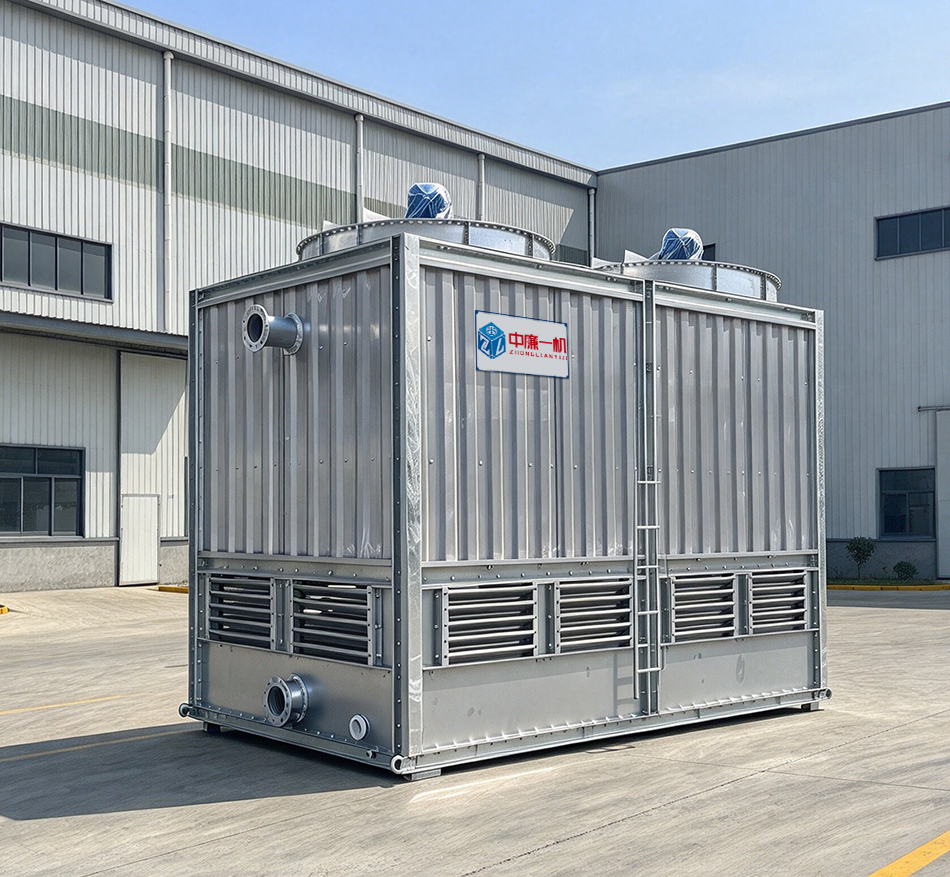
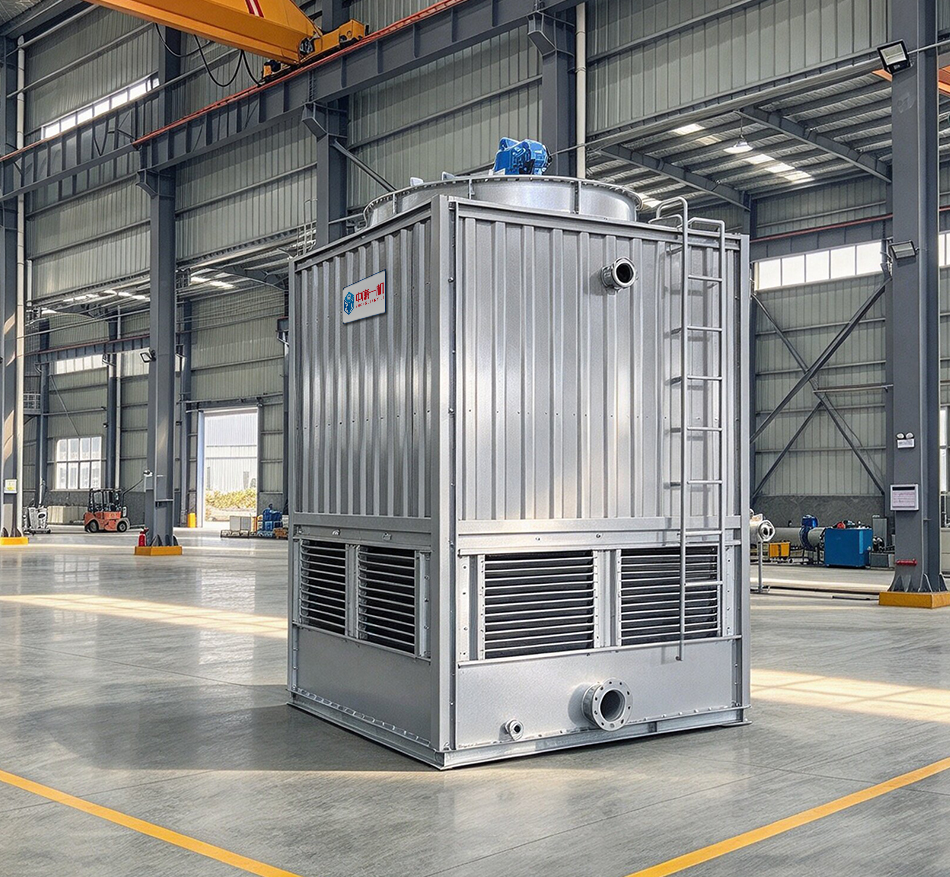
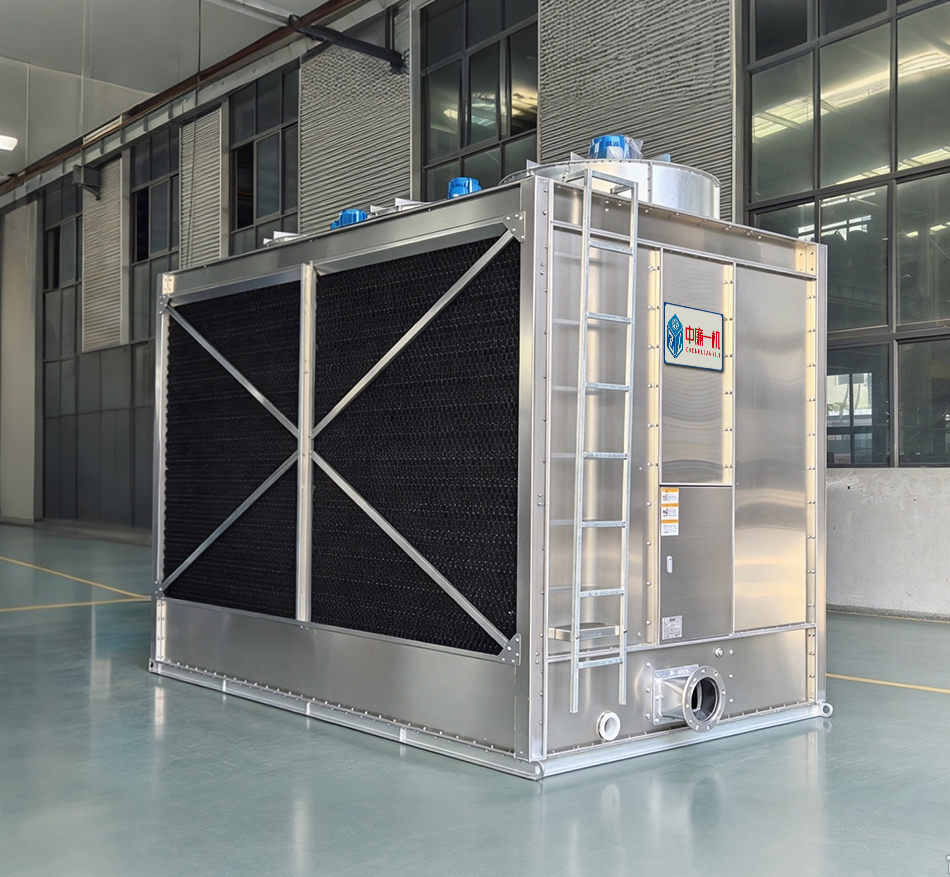
冷却塔的高速、低速运行切换,核心是根据散热负荷、室外气象条件、系统水温三个核心维度自动或手动判定,具体场景如下:
? 冷却Tower Height速运行场景
- 夏季高温高负荷时段:室外干球/Wet-Bulb Temperature高,生产或空调系统热负荷达到峰值,仅靠低速运行无法将循环水温降到工艺要求的阈值,此时Fan全速高速运转,最大化Air Volume提升换热效率,满足大冷量散热需求。
- 系统回水Temperature超标时:当冷却水回水Temperature高于设定的安全上限(如12℃以上),系统自动触发高速运行,快速带走多余热量,避免后端生产设备或IT机柜因水温过高触发告警。
- 高湿闷热天气:室外Wet-Bulb Temperature偏高,空气自然冷却能力大幅下降,低速运行的换热效率不足以抵消环境影响,必须切换高速运行保障冷却效果。
- 手动强制启动场景:设备首次开机、停机重启时,系统会先低速启动延时10秒后自动切高速,完成Fan全Speed自检,避免直接高速启动冲击Motor。
? 冷却塔低速运行场景
- 春秋过渡季/冬季低温时段:室外干球Temperature低,仅靠Fan低Speed运行就能满足基础散热需求,无需全速运转,大幅降低Fan能耗,实现节能降耗。
- 系统低负荷运行时:生产减产、夜间低峰或IT负载大幅下降,整体产热量远低于设计散热负荷,低速运行即可将水温稳定控制在目标区间。
- 室外Wet-Bulb Temperature较低时:当室外Wet-Bulb Temperature降到3~15℃的中间区间,空气自然冷却能力充足,无需Fan全速运转,靠低Speed就能完成大部分换热任务。
- 降噪要求严格的场景:周边对Noise管控要求高的厂区或民用配套区域,在满足冷却水温达标的前提下,长期保持低速运行,降低Fan运转产生的Noise污染。
⚙️ 切换的核心判定逻辑
- 系统以冷却水回水Temperature为核心信号灯,结合实时监测的室外Wet-Bulb Temperature动态调整FanSpeed,全程平滑切换,避免水温波动超过1℃/分钟,保障后端设备运行稳定。
- 长期低频低速运行时,建议选用带独立散热Fan的变频Motor,避免Motor绕组散热不足、绝缘层加速老化,延长设备使用寿命。
Written by: Zhongliang Yiji Technical Department · 15 Years of Cooling Tower Selection Experience | Last Updated:2026-10-16
FAQ
How to choose between a closed-circuit and an open cooling tower?
For working conditions that demand clean water (such as vacuum furnaces, high-frequency furnaces, and injection machine hydraulic oil cooling), a closed-circuit tower is preferred: the cooled medium circulates inside the coil without direct contact with air, so it resists scaling, algae and particle contamination, with stable heat transfer and low maintenance. For ordinary recirculating water scenarios with tight water budgets or cost sensitivity, an open tower costs less upfront but requires supporting water treatment.
What are the footprint and connections of a 100 t closed-circuit cooling tower?
Taking a standard 100 m3/h closed-circuit tower as an example: overall dimensions are approximately 3500 x 1500 x 2800 mm with a footprint of about 5.25 m2; inlet and outlet piping is typically DN100, with a 5-10 C temperature drop under standard conditions. Refer to the product specification table for details; non-standard dimensions can be customised on site.
How do I size the pump and head for a cooling tower?
Pump flow is selected according to the rated circulating water volume of the cooling tower; head must account for pipeline friction losses, local resistance, equipment elevation difference and the necessary margin. Pressure-bearing equipment such as injection machines also requires reserve for the working pressure. It is recommended to hand the operating data (flow, temperature difference, installation height, pipe diameter and length) to technical staff for calculation, to avoid an undersized pump or excessive head that wastes energy.
What water treatment does a closed-circuit cooling tower need?
The outer circulating water of a closed-circuit tower still contacts air, so softened make-up water, periodic corrosion and scale inhibitor dosing, and control of the concentration ratio are recommended. The inner circulating medium should be softened water, antifreeze or pure water according to process requirements; outdoor installation in winter requires freeze protection (electric tracing or draining).